Generations of Helmets
The structure:
The  technology liner is a shock absorbing foam liner for safety helmets that incorporates cone-shaped structures within the thickness of the helmet liner.
The revolutionary shock absorbing technology liner consists of two layers.
The layer (i.e., the inner layer) consists of four different regions of cones or triangular based pyramids made of expanded polystyrene foam of varying low densities which is designed to meet the different weaknesses/strengths of the skull.
The overlying layer (i.e., the outer layer) is made of expanded polystyrene foam of single density which is of higher density compared to the layer.
The generations:
1st Generation –
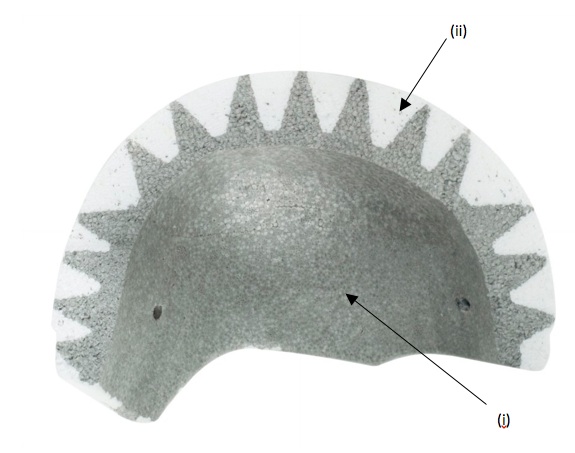
Photo 1: Shows a technology liner = (i) layer + (ii) overlying layer
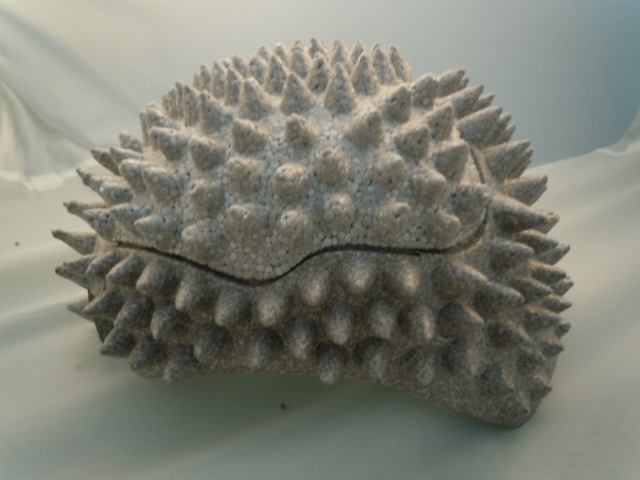
Photo 2: Shows a layer with cones

Photo 3: Shows a cone exposed in
a test sample of a technology liner
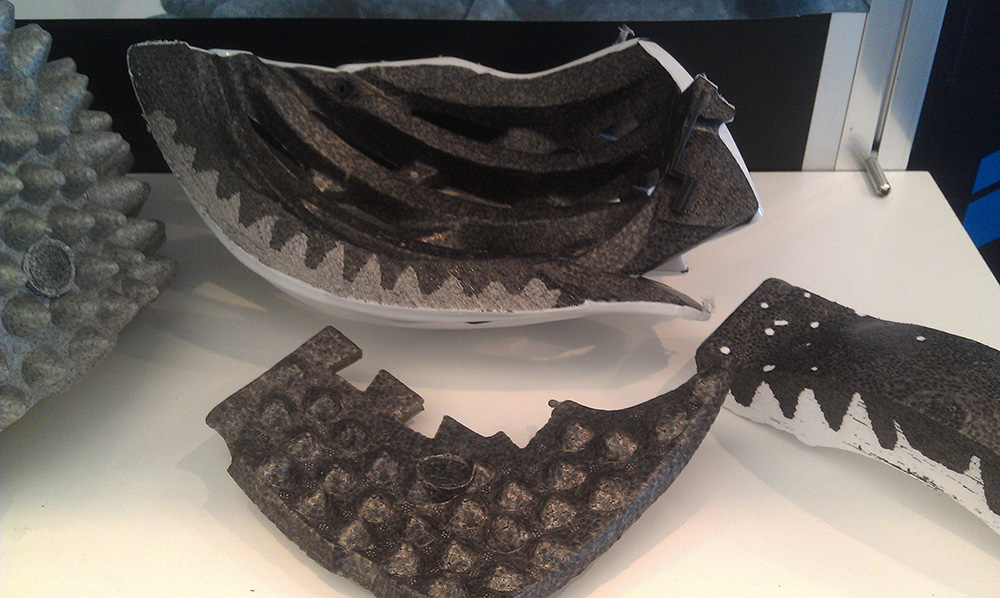
Photo 4: Shows samples of 1st generation
technology liners and layers
2nd Generation – (i) triangular base pyramids (ii) cones facing inwards
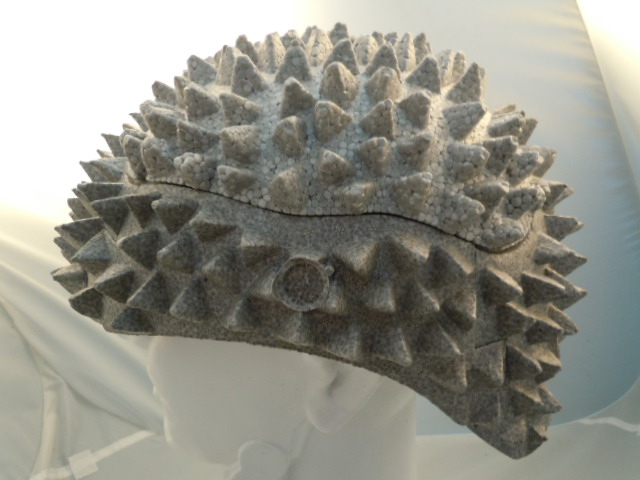
Photo 5: Shows a layer with triangular based pyramids
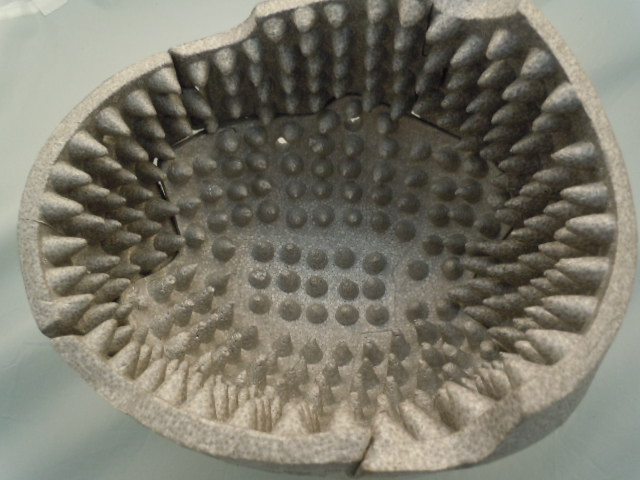
Photo 6: Shows a layer as an outer layer with cones facing inwards.
The inner layer (not shown) is the overlying layer.

Photo 7: Shows the comparison between
1st and 2nd generation layers
3rd Generation – double
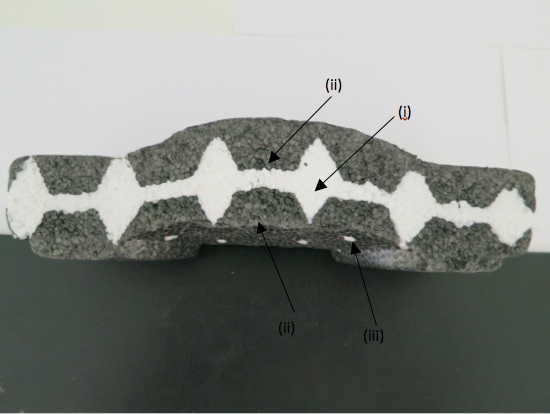 Photo 8: Shows a test sample of a double technology liner =
(i) double layer +
(ii) overlying layers (inner and outer).
The white dots (iii) are apices of cones
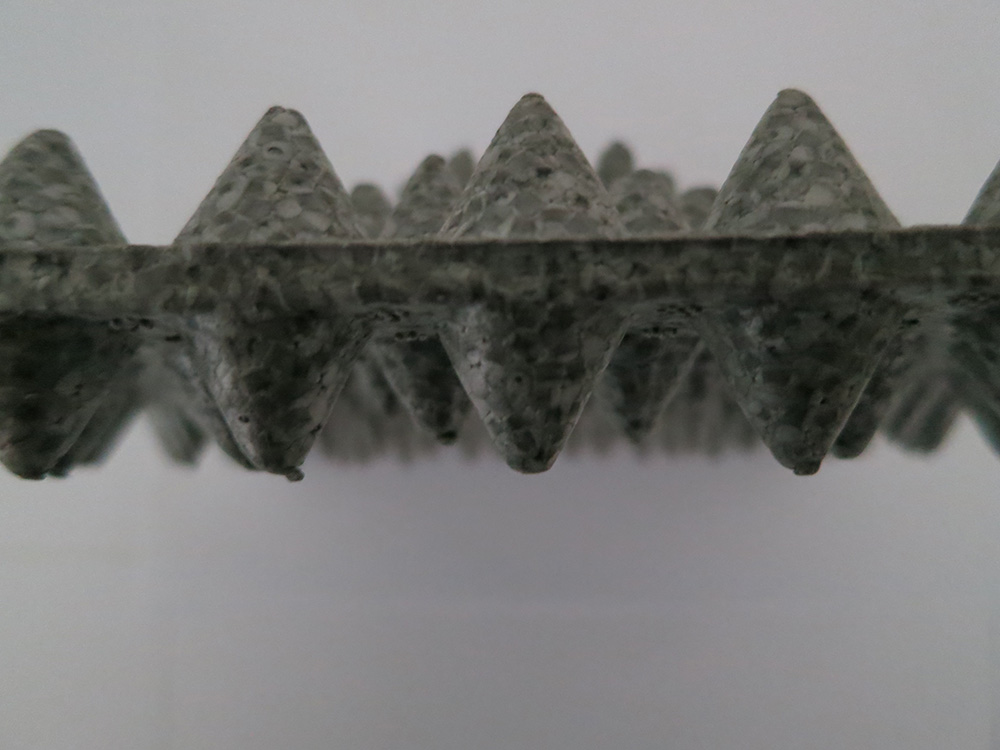
Photo 9: Shows a test sample of a double layer
4th Generation – Super
Coming soon
Other Structures Tested – Pencil and Funnel Shaped

Photo 10: Shows a test sample of a pencil shaped layer
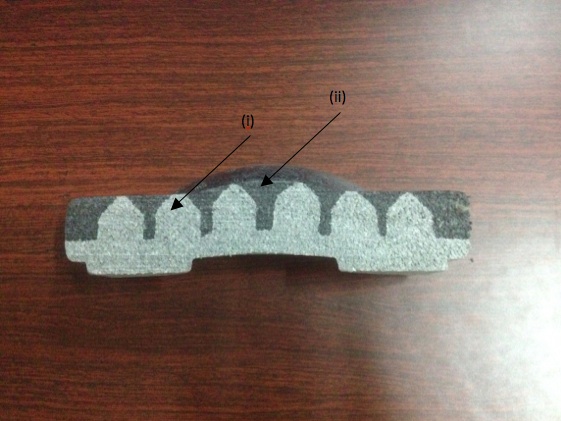
Photo 11: Shows a test sample of a pencil shaped technology liner = (i) pencil shaped layer + (ii) overlying layer
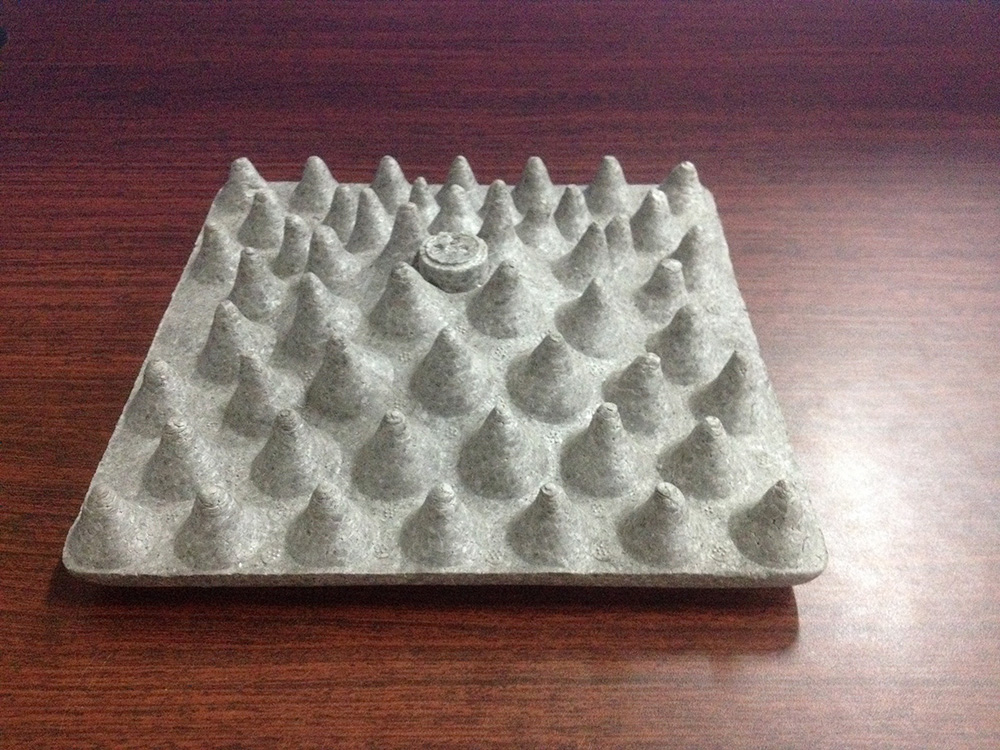
Photo 12: Shows a test sample of a funnel shaped layer
The Benefits of technology in more detail
- Absorb an impact force more effectively:
- directs impact energy sideways away from the brain thereby lowering g-forces to the head
- different foam densities (multi-densities) absorb different levels of impact forces thereby reducing the risk of concussion at low level impacts and more severe head injuries at high level of impacts
- A lighter helmet (lower mass helmet): to reduce rotational acceleration of the head during impact
- Segmentation/zoning: to allow the combinations of high and low density foam to be placed close to the vulnerable areas of the skull (child’s skull and adult skull’s) of different thicknesses and strengths
- Enable the use of thinner liners
“For each different size (i.e., S, M, L, XL) helmet incorporating technology, manufactured and sold under different brand names, has its own density signature comprising of up to five different densities.”
~ Don Morgan
